Crowning one of Istanbul’s seven hills, the Suleymaniye Mosque stands as a testament to the golden age of the Ottoman Empire. Built by architect Mimar Sinan for Sultan Suleiman the Magnificent between 1550-1557, this architectural marvel offers breathtaking panoramic views of the city and the Bosphorus Strait.
Architectural Genius of Mimar Sinan
The central dome rises 53 meters high. Sinan achieved remarkable acoustics by placing 64 acoustic jars in the walls. The four minarets symbolize Suleiman as the fourth Ottoman sultan in Istanbul.
Panoramic Views of the Bosphorus
The mosque offers spectacular views of the Bosphorus Strait and Golden Horn from its commanding position on the Third Hill.
Combining with a Bosphorus Cruise
After viewing the Bosphorus from the elevated vantage point of the mosque, experience it at water level during a Bosphorus cruise. See Ottoman palaces like Dolmabahçe, Rumeli Fortress, and waterfront mansions from a new perspective.
The Mosque Complex
More than just a mosque, Süleymaniye included schools, hospital, soup kitchen, Turkish bath, library, and observatory – serving society’s spiritual, intellectual and social needs.
Visitor Information
Location: Süleymaniye, Fatih Hours: Daily except prayer times Fee: Free Time: 1-2 hours Dress Code: Modest dress required
Topkapi Palace History: The Imperial Heart of the Ottoman Empire
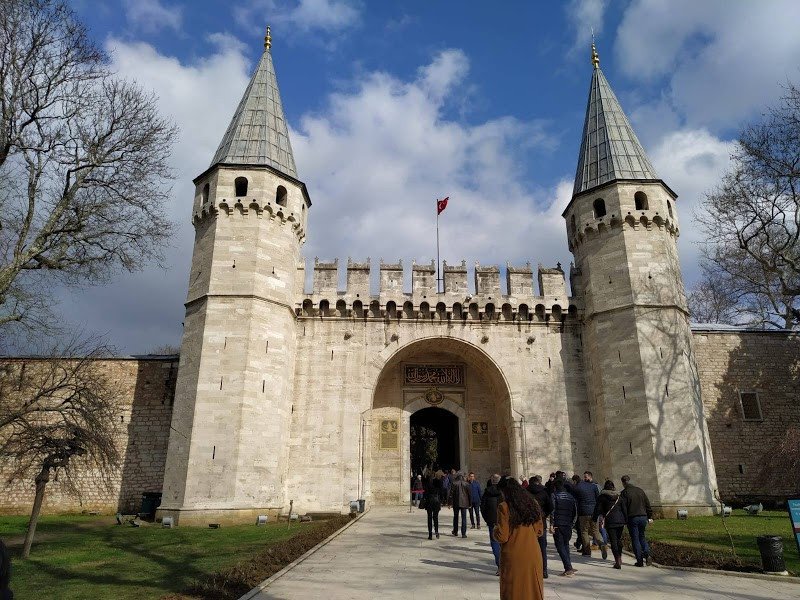
For nearly 400 years, Topkapi Palace (Topkapı Sarayı) served as the opulent residence of Ottoman sultans and the administrative center of their vast empire. Perched majestically on Istanbul’s historic peninsula, overlooking both the Bosphorus Strait and the Golden Horn, this sprawling palace complex offers an unparalleled glimpse into the grandeur of Ottoman civilization.
The Foundation of Imperial Power
Built between 1460 and 1478 by Sultan Mehmed II (Mehmed the Conqueror), who conquered Constantinople in 1453, Topkapi Palace was designed as a statement of Ottoman power and sophistication. The sultan chose this strategic location for both its defensive advantages and its commanding views of the waterways that made Istanbul the crossroads of the world.
The name “Topkapı” literally means “Cannon Gate,” referring to the cannons that once lined the shoreline below the palace. Over the centuries, the complex grew to encompass over 700,000 square meters, containing royal chambers, government offices, treasuries, kitchens, mosques, libraries, and gardens.
Architectural Splendor and Layout
Topkapi Palace is organized into four main courtyards, each serving distinct functions and reflecting different levels of access and prestige:
First Courtyard (Court of Janissaries)
The outer courtyard was accessible to the public and housed service buildings, including the Imperial Mint, bakeries, and the church of Hagia Irene, one of Istanbul’s oldest surviving Byzantine structures.
Second Courtyard (Divan Square)
This was the administrative heart of the empire, featuring the Divan (Imperial Council Chamber) where the Grand Vizier and ministers conducted state business. The famous palace kitchens, which once fed thousands daily, are also located here.
Third Courtyard (Enderun)
The private quarters of the sultan, including the Throne Room, Treasury, and Sacred Relics Chamber containing priceless Islamic artifacts, including items believed to have belonged to Prophet Muhammad.
Fourth Courtyard (Imperial Gardens)
A series of pavilions and gardens offering spectacular views of the Bosphorus, including the famous Baghdad Kiosk and Revan Kiosk, decorated with exquisite İznik tiles.
The Imperial Harem: Life Behind Closed Doors
Perhaps the most fascinating and mysterious section of Topkapi Palace is the Harem, the private domestic quarters of the sultan’s family. Contrary to popular misconceptions, the Harem was a highly structured institution governed by strict protocols.
The Harem housed the sultan’s mother (Valide Sultan), who wielded tremendous power, his wives, concubines, children, and hundreds of servants and eunuchs. The architecture features hundreds of rooms, courtyards, baths, and corridors, showcasing some of the palace’s finest İznik tile work and ornate decorations.
The Imperial Treasury: Unmatched Riches
The Treasury displays one of the world’s most impressive collections of jewelry, weapons, and precious objects:
Topkapi Dagger – Encrusted with enormous emeralds, featured in the film “Topkapi”
Spoonmaker’s Diamond – 86-carat diamond, one of the largest in the world
Sultan’s Thrones – Ornate thrones inlaid with mother-of-pearl, gold, and jewels
Imperial Armor and Weapons – Ceremonial swords, shields, and armor pieces
Sacred Relics: Spiritual Treasures
The Sacred Relics Chamber contains items of profound religious significance to the Muslim world, including the mantle and sword of Prophet Muhammad, hairs from his beard, one of his teeth, and footprint impressions. These relics were brought to Istanbul after the Ottoman conquest of Egypt in 1517.
Topkapi Palace and the Bosphorus: A Perfect View
One of the most captivating aspects of visiting Topkapi Palace is its dramatic location overlooking the Bosphorus Strait. From the palace terraces and gardens, particularly from the fourth courtyard, visitors enjoy breathtaking panoramic views of the waterway that has been Istanbul’s lifeline for millennia.
Why Combine Topkapi Palace with a Bosphorus Cruise
Experiencing both Topkapi Palace and a Bosphorus cruise provides complementary perspectives on Istanbul’s Ottoman heritage:
Historical Connection
From Topkapi Palace, sultans watched their naval fleets sail the Bosphorus. A Bosphorus cruise allows you to experience these same waters, passing by Ottoman palaces, fortresses, and waterfront mansions (yalıs) that were built by the empire’s elite.
As you cruise, you’ll see:
Dolmabahçe Palace – The 19th-century palace where sultans moved after leaving Topkapi
Rumeli Fortress – Built by Mehmed the Conqueror in 1452 before conquering Constantinople
Beylerbeyi Palace – Summer residence of Ottoman sultans on the Asian shore
Maiden’s Tower – Ancient tower with legends dating back to Byzantine times
Complete Ottoman Experience
While Topkapi Palace showcases the sultans’ power and wealth on land, the Bosphorus reveals their maritime empire. The Ottoman navy controlled these strategic waters, and many of the structures you’ll see during a cruise were built to defend and beautify the shores the sultans viewed from their palace.
Suggested Itinerary
Morning: Arrive at Topkapi Palace when it opens (9:00 AM) to explore before crowds arrive. Allow 3-4 hours for a thorough visit. Lunch: Dine at a restaurant in Sultanahmet or Eminönü with Bosphorus views. Afternoon: Board a Bosphorus cruise from nearby Eminönü pier to see the palaces and fortresses from the water. Evening: Enjoy a sunset cruise for magical golden-hour views of the same waters Ottoman sultans admired.
Visitor Information
Location: Cankurtaran, Fatih, Istanbul (Sultanahmet area) Opening Hours: 9:00 AM – 6:00 PM (closed Tuesdays) Entrance Fee: Palace + Harem ticket recommended (approximately 500 TL) Time Needed: 3-4 hours for comprehensive visit Best Time: Early morning or late afternoon to avoid peak crowds
Essential Tips for Your Visit
Buy tickets online in advance to skip queues, especially in high season
Include the Harem ticket – it’s a separate entrance but essential to see
Wear comfortable shoes – the palace complex requires extensive walking on cobblestones
Bring water – limited facilities inside, though cafes exist in courtyards
Photography allowed in most areas, but no flash in Treasury or Relics
Audio guide recommended for deeper historical context
Combine with nearby sites – Hagia Sophia and Blue Mosque are walking distance
From Imperial Palace to Museum
After the Ottoman Empire ended in 1922 and Turkey became a republic, Topkapi Palace was converted into a museum in 1924 by order of Mustafa Kemal Atatürk. Today it remains one of the world’s most visited museums, attracting millions of visitors annually who come to experience the opulence and intrigue of Ottoman court life.
The Palace’s Lasting Legacy
Topkapi Palace stands as more than just a museum – it’s a testament to the Ottoman Empire’s cultural sophistication, architectural achievement, and strategic genius. The palace complex influenced palace architecture throughout the Islamic world and remains an iconic symbol of Istanbul’s imperial past.
The intricate İznik tiles, ornate calligraphy, fountain-filled courtyards, and stunning Bosphorus views transport visitors back to an era when Istanbul was the capital of one of history’s most powerful empires.
Plan Your Complete Istanbul Experience
To truly appreciate Istanbul’s Ottoman heritage, combine your visit to Topkapi Palace with a Bosphorus cruise tour. Seeing the sultan’s palace on the hilltop and then cruising past the waterfront palaces, fortresses, and mansions provides a comprehensive understanding of how the Ottoman elite lived and ruled.
Many tour operators offer convenient packages combining Topkapi Palace entry with Bosphorus cruises, often including expert guides who bring the history to life with fascinating stories of sultans, intrigues, and imperial splendor.
From the throne rooms where empires were governed to the waters where Ottoman fleets once sailed, Istanbul’s imperial history awaits your discovery.
Galata Tower History: The Iconic Landmark of Istanbul
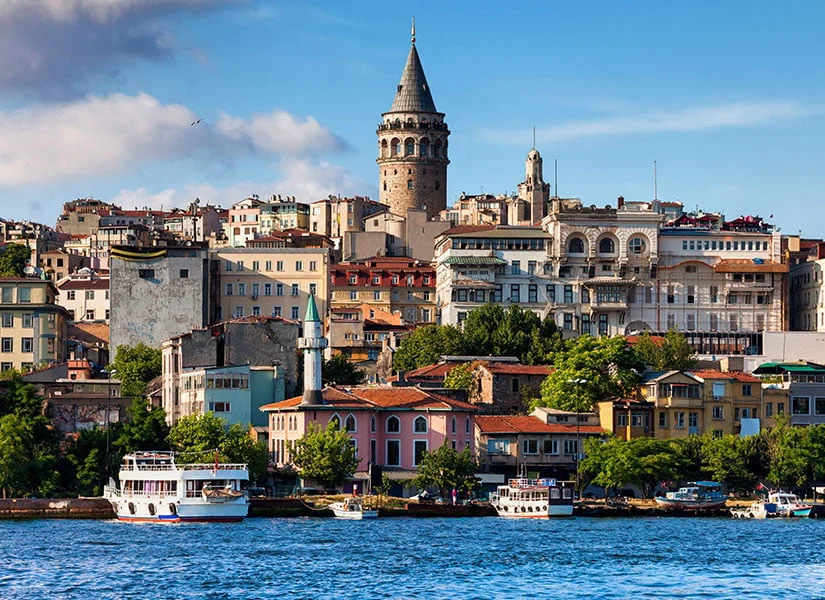
Standing majestically on the skyline of Istanbul, the Galata Tower (Galata Kulesi) is one of the city’s most recognizable landmarks. This medieval stone tower has witnessed centuries of history and continues to captivate millions of visitors from around the world.
The Rich History of Galata Tower
Built in 1348 during the Genoese colony period, Galata Tower was originally named “Tower of Christ” (Christea Turris). Rising 66.9 meters above sea level, it was the tallest structure in Istanbul for centuries and served as a crucial watchtower for the city.
The tower has survived fires, earthquakes, and various reconstructions throughout its 700-year history. During the Ottoman period, it was used as a fire lookout tower, and today it stands as a museum and observation deck offering breathtaking 360-degree views of Istanbul.
Architectural Marvel of Medieval Engineering
The Galata Tower showcases impressive medieval architecture with its conical roof and cylindrical structure. The walls, originally 3.75 meters thick, were built to withstand both time and conflict. The tower’s design reflects the military architecture of the Genoese period, combining functionality with aesthetic appeal.
Panoramic Views: From Galata to the Bosphorus
One of the main reasons visitors climb the Galata Tower is its spectacular observation deck. From this vantage point, you can see:
The Golden Horn – The historic natural harbor
Bosphorus Strait – The magnificent waterway connecting Europe and Asia
Historic Peninsula – Home to Hagia Sophia, Blue Mosque, and Topkapi Palace
Modern Istanbul – The bustling commercial districts and new city
The view of the Bosphorus from Galata Tower is particularly mesmerizing during sunset, when the water reflects golden hues and boats create a romantic silhouette against the sky.
Combining Galata Tower with a Bosphorus Cruise
Many travelers discover that visiting Galata Tower pairs perfectly with a Bosphorus cruise experience. Here’s why this combination is ideal:
Complete Perspective of Istanbul
While Galata Tower offers a bird’s-eye view of the Bosphorus, a Bosphorus cruise provides an intimate water-level experience. Together, they give you both aerial and maritime perspectives of Istanbul’s most famous waterway.
Historical Context
After learning about Istanbul’s history from Galata Tower, seeing the Ottoman palaces, fortresses, and waterfront mansions (yalıs) during a Bosphorus tour brings that history to life. You’ll pass by:
Dolmabahçe Palace – The last residence of Ottoman sultans
Rumeli Fortress – Built by Mehmed the Conqueror
Ortaköy Mosque – The baroque-style waterfront mosque
Bosphorus Bridge – Connecting two continents
Perfect Day Itinerary
Morning: Visit Galata Tower early (9-10 AM) to avoid crowds and enjoy clearer views. Afternoon: Explore the charming streets of Galata neighborhood, filled with cafes and boutiques. Evening: Board a sunset Bosphorus cruise for magical golden-hour views and dinner on the water.
Visitor Information for Galata Tower
Location: Galata, Beyoğlu, Istanbul Opening Hours: Daily 8:30 AM – 11:00 PM (summer), 8:30 AM – 8:00 PM (winter) Entrance Fee: Approximately 650 TL (prices may vary) Best Time to Visit: Early morning or late afternoon for fewer crowds
Tips for Your Visit
Book in advance during peak tourist season (May-September)
Elevator available but expect to climb some stairs at the top
Bring your camera – the views are photo-worthy from every angle
Visit the restaurant at the top for a unique dining experience
Combine with Bosphorus cruise for a complete Istanbul experience
The Legend of Hezarfen Ahmed Çelebi
One of the most fascinating stories associated with Galata Tower is that of Hezarfen Ahmed Çelebi. According to legend, in 1632, this Ottoman aviator strapped on artificial wings and successfully flew from Galata Tower across the Bosphorus to Üsküdar, a distance of about 6 kilometers. While historians debate the authenticity of this tale, it remains a beloved part of Turkish cultural heritage.
Why Galata Tower Remains Timeless
Galata Tower endures as a symbol of Istanbul’s multicultural heritage – a Genoese tower in a Turkish city, bridging Christian and Islamic histories. It represents the city’s unique position as a bridge between continents, cultures, and eras.
Whether you’re a history enthusiast, architecture lover, or simply seeking the best views in Istanbul, Galata Tower delivers an unforgettable experience. And when combined with a leisurely Bosphorus cruise, you’ll gain a comprehensive understanding of why Istanbul has captivated travelers for millennia.
Book Your Istanbul Experience
Ready to explore Istanbul’s wonders? Consider booking a Bosphorus cruise tour that includes stops near Galata Tower. Many tour packages offer convenient combinations that maximize your time and provide expert commentary on Istanbul’s rich history.
From the medieval heights of Galata Tower to the sparkling waters of the Bosphorus, Istanbul awaits your discovery.
🎫 Quick Booking
Join now for an unforgettable experience on the Bosphorus